

FROM THE DOJO
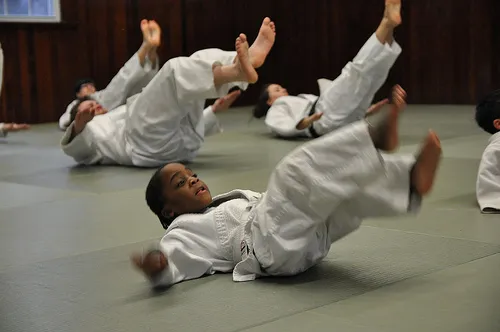
From the Dojo: Judo Techniques
Overview
Judo techniques are organized into throwing, grappling, and controlled resistance practice. The discipline emphasizes balance, leverage, and momentum to neutralize an opponent with minimal risk to both participants. Proper ukemi (falling) and grip control underpin effective technique execution and safety.
Core Categories
- Nage-waza (throws): Techniques that off-balance and project an opponent to the mat.
- Katame-waza (grappling): Holds, pins, and controlling positions to dominate on the ground.
- Atemi-waza (strikes): Subtle, controlled targeting movements used historically; current practice emphasizes safe, controlled application within kata and demonstrations.
- Ukemi (breakfalls): Safe falling mechanics essential to training and progression.
Foundational Techniques
- Breakfalls (Ukemi): Rolling and receiving the fall to protect the body, shoulders, and neck.
- Grip fighting (Kumi-kata): Establishing dominant grips on the Judo gi to control the opponent’s balance and movement.
- Stance and movement: Linear and circular footwork to create and exploit opportunities.
Nage-waza: Common Throws
- Seoi-nage (shoulder throw): Turning the body under the opponent’s center of gravity to throw them over the shoulder.
- O-goshi (major hip throw): A hip-driven throw using the hips as the pivot point to lift and project the opponent.
- Tai-otoshi (body drop): A body-first throw executed with a drop of the hips and a leg sweep to off-balance.
- Uki-goshi (floating hip throw): A light, hip-centered throw designed to off-balance and gently guide the opponent downward.
- Harai-goshi (sweeping hip throw): A sweeping leg action combined with hip rotation to guide the opponent over the hip.
- Uchi-mata (inner thigh throw): A leg attack that places the opponent off-balance toward the inner thigh region for a decisive throw.
Katame-waza: Holds and Pins
- Yoko-shiho-gatame (side four-quarter hold): A controlling side pin that stabilizes the opponent with progressive weight distribution.
- Kesa-gatame (scarf hold): A diagonal pin using an extended lapel grip to control the torso.
- Kami-shiho-gatame (upper four-quarter hold): A secured, centralized pin that maintains posture and control.
- Tate-shiho-gatame (vertical four-quarter hold): A vertical pin with the opponent restrained along the chest and hips.
- Transitioning to pins: Emphasize base, pressure, and maintaining breastbone-to-shoulder contact for stability.
Randori and Safety
- Progression: Begin with standing practice, advance to grips, then to throws, and finally to pins on a compliant partner.
- Safety reminders: Maintain controlled technique, respect training partners, and communicate readiness before initiating each drill.
- Etiquette: Bowing, proper gi handling, and adherence to dojo rules ensure a respectful training environment.
Training Guidance
- Weekly structure:
- Day 1: Ukemi and grip work; basic throws from a static grip.
- Day 2: Drill combinations of grip control and a selected throw.
- Day 3: Katame-waza basics with partner-specific pins and transitions.
- Progressive loading: Increase complexity only after proficiency with foundational moves is demonstrated.
- Conditioning: Include core stability, hip mobility, and shoulder girdle exercises to support technique execution.
Quick Reference
- Always prioritize safety and control over speed.
- Start from a solid base, maintain alignment, and use your hips to generate power.
- Practice with consistent, mindful repetition to build muscle memory and balance.